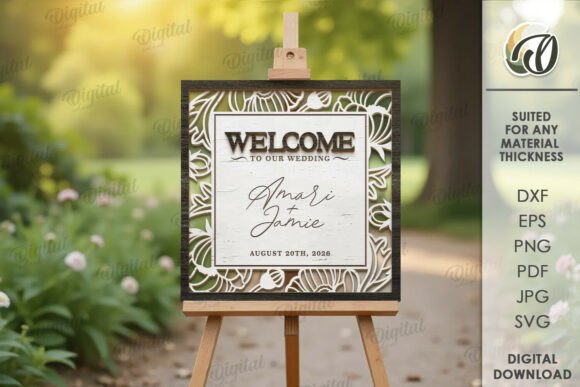
Wedding Layered Welcome Sign Lasercut
As an embroidery designer and product reviewer, I’ve seen my fair share of digital designs. But when I came across the Wedding Layered Welcome Sign Lasercut, I knew it had potential—but also some important considerations for real-world use.
First Impressions: A Design That Speaks to Tradition and Elegance
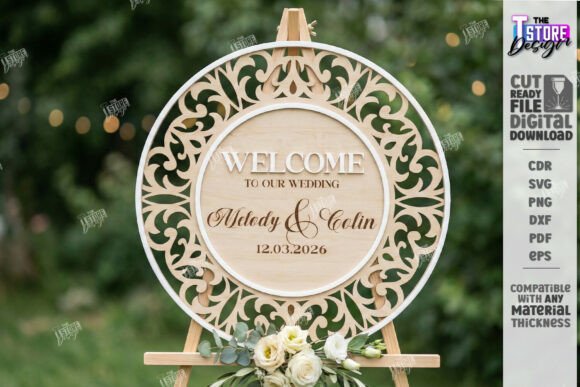
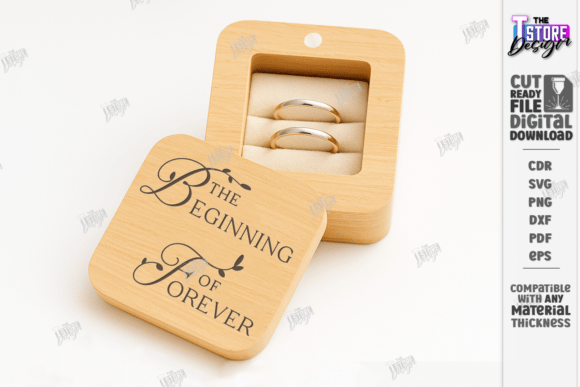
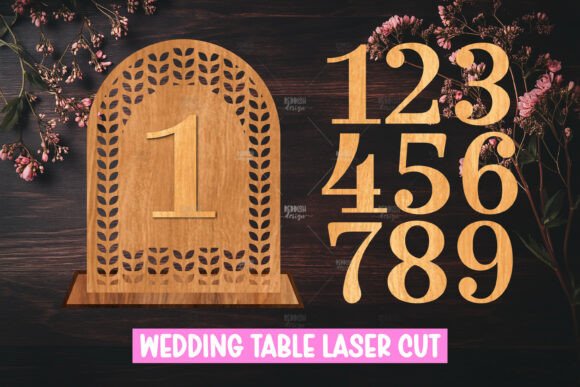
The Wedding Layered Welcome Sign Lasercut immediately caught my eye with its clean lines, layered structure, and timeless wedding theme. The design feels like a classic welcome sign that could be adapted for multiple uses, from table numbers to wall art. Its visual personality is sophisticated yet approachable, making it ideal for weddings, bridal showers, or even as a custom gift for couples.
The layout is well-balanced, with enough detail to stand out without being overwhelming. It has a soft, romantic feel that would work well on both traditional and modern setups. The level of detail suggests it could be used in various embroidery techniques, including satin stitch and fill stitch, but it’s not overly complex—so it should be manageable for most skill levels.
Real-World Embroidery Use Cases
When considering how Wedding Layered Welcome Sign Lasercut would translate into actual projects, it’s clear this design fits best on larger, flat surfaces. Think custom tote bags, sweatshirts, or pillow covers. It would look great on a large hoop, where the layers can be clearly defined and the overall composition remains intact.
This design could also serve as a strong centerpiece for a personalized baby item, such as a onesie or blanket. The layered effect adds depth, which is perfect for handmade products that need to stand out on Etsy or at craft fairs. For small business owners, it could be a valuable addition to a wedding-themed collection, especially if paired with other floral or elegant motifs.
However, I’d be cautious about using it on smaller items like caps or patches. The design’s size and complexity might not translate well to curved or limited space. Similarly, thin or stretchy fabrics could cause issues with stitch density and stability, so testing on scrap fabric is a must.
Where to Be Careful: Practical Considerations
One thing to note is that Wedding Layered Welcome Sign Lasercut may not be the best choice for projects that require frequent washing. If it’s going to be part of a wearable item, the stitching needs to hold up over time. This means using the right stabilizer and ensuring the thread colors contrast well with the fabric—especially on dark backgrounds.
For embroidered patches or applique designs, the layers could become a challenge if not handled properly. Thin fabrics might not support the design’s structure, and tiny details could get lost in the stitching. It’s also worth checking whether the design works in black and white mockups, as this can affect how it appears on different materials.
If you’re planning to sell finished products or digital files, make sure to confirm the licensing terms. While the product description mentions it’s a digital file in SVG format, specifics about commercial use aren’t provided. Always double-check before using it in your own shop or client projects.
Impact on Visual Appeal and Customer Perception
Wedding Layered Welcome Sign Lasercut has the potential to elevate the visual appeal of any project it’s used on. Its structured layers and elegant design add a touch of sophistication that can make a handmade product feel more premium. This is especially important for small shop merchandise or boutique branding, where presentation matters.
From a customer perspective, a design like this could increase trust in your brand. It shows attention to detail and a commitment to quality—both of which are crucial for handmade or custom items. When used correctly, it can also enhance the giftability of a product, making it a popular choice for weddings, anniversaries, or special occasions.
But if not executed well, the design could fall flat. Poor stitching, incorrect thread color, or improper stabilizer use could make the final product look unprofessional. That’s why it’s essential to test the design thoroughly before committing to a larger project or selling it to customers.
Embroidery Designer Notes: What to Keep in Mind
Before jumping into using Wedding Layered Welcome Sign Lasercut, here are a few practical tips:
- Test on scrap fabric first to see how the design looks and behaves on different materials.
- Check thread color contrast against the fabric to ensure visibility and harmony.
- Review stitch density to avoid overcrowding or under-stitching, especially in detailed areas.
- Confirm hoop size to ensure the entire design fits comfortably without distortion.
- Inspect small details to make sure they’re clear and won’t get lost during stitching.
- Test in black and white mockups to see how the design translates on different backgrounds.
- Compare light and dark fabric options to determine the best fit for your project.
- Use proper stabilizer for delicate or stretchy fabrics to prevent puckering or distortion.
- Verify licensing if you plan to sell finished items or digital products.
These steps will help ensure that Wedding Layered Welcome Sign Lasercut delivers the intended result, whether you’re working on a custom apparel piece, a boutique product, or a printable mockup for your shop.
Final Thoughts: A Versatile Design with Room for Growth
Wedding Layered Welcome Sign Lasercut is a design that holds promise, especially for those looking to add a touch of elegance to their embroidery projects. It’s well-suited for larger, flat surfaces and can be a strong asset for small businesses, Etsy sellers, and crafters who value quality and detail.
That said, it’s not a one-size-fits-all solution. Its performance depends heavily on how it’s applied, the materials used, and the care taken during the embroidery process. With the right approach, it can become a standout element in your portfolio or product line.
As always, the key is to test, adapt, and ensure the design aligns with your creative vision and business goals. Wedding Layered Welcome Sign Lasercut is a good starting point—but the real success comes from how you bring it to life.